The short answer
Three days is the perfect length for Barcelona. It's enough time to marvel at Gaudí's architectural masterpieces (Sagrada Família, Park Güell, Casa Batlló), get lost in the Gothic Quarter's 2,000-year-old streets, crawl through tapas bars, dance at a flamenco show, and relax on Barceloneta Beach. You'll experience Barcelona's singular blend of Catalan identity, Mediterranean warmth, modernisme design, and cosmopolitan energy without feeling rushed. Weekend breaks love Barcelona because three days is genuinely satisfying—skip it only if you have less than 48 hours.
Why 3 days works for Barcelona
Barcelona is compact and walkable, unlike sprawling capitals. You can cross the Gothic Quarter on foot in 30 minutes. The metro is fast and efficient. Most must-see attractions cluster within Eixample and central neighbourhoods. This density means 3 days yields high returns—you won't waste hours commuting or navigating. Barcelona also rewards spontaneity: stumble into a neighbourhood, discover a hidden tapas bar, sit with a vermouth and watch locals go about their day. Unlike Paris (where you might museum-hop for a week), Barcelona's best experiences often come from wandering, eating, and observing. Three days gives you enough rhythm to balance major sights (Gaudí, cathedrals, museums) with unstructured exploration. Want more? Five days lets you day-trip to Montserrat or the Costa Brava; stay for a week and you'll keep discovering new corners.
Quick 3-day overview
| Day | Theme | Neighbourhoods | Budget/Day |
|---|---|---|---|
| Day 1 | Gothic Quarter & La Rambla | Gothic Quarter, La Rambla, Born | €50-70 |
| Day 2 | Gaudí Day | Sagrada Família, Eixample, Park Güell | €60-80 |
| Day 3 | Beach, Montjuïc & Flamenco | Barceloneta, Montjuïc, Gothic Quarter | €50-70 |
3-day vs 2-day vs 5-day comparison: Two days feels rushed—you'll pick Gaudí or the Gothic Quarter, not both. Three days lets you do both comfortably plus beaches and tapas. Five days adds Montserrat, Costa Brava, art museums (Picasso Museum is skippable but worthwhile), and neighbourhood deep-dives into Gràcia or Sant Antoni markets. Three is the sweet spot for quality over quantity.
Day 1: Gothic Quarter, La Rambla & Born
Medieval alleys, cathedrals, and tapas introduction
Morning: Barcelona Cathedral and Gothic Quarter
Start early (8-9 AM) to beat crowds. Head to Barcelona Cathedral (Catedral de la Santa Creu i Santa Eulàlia), an extraordinary 14th-century Gothic structure right in the Gothic Quarter's heart. Entry is free (or €3 suggested donation) to the main cathedral; climb the bell towers for €4 if you want 360° views. The cloisters are serene—locals come here for peace. Wander the narrow medieval lanes radiating from the cathedral. Every alley is photogenic: worn stone, vintage shutters, tiny plazas with centuries of history. Duck into Plaça Sant Felip Neri, a hidden square with a church, or explore the Jewish Quarter (Call), some of Europe's oldest Jewish architecture.
Late Morning: La Rambla and Columbus Monument
Walk down La Rambla, Barcelona's most famous thoroughfare. Yes, it's touristy; yes, it's busy. But it's iconic for a reason—street performers, flower stalls, crowds flowing toward the sea, the sea breeze at the bottom. Expect pick-pockets; keep valuables secure. End at Columbus Monument (Monument a Colom) overlooking the waterfront. Take the elevator up for €5 to see harbour views. It's kitsch but charming. Nearby, the waterfront has cafes and casual restaurants.
Lunch: La Boqueria Market
Stop at La Boqueria Market, Barcelona's iconic food market (off La Rambla, can't miss). Wander the stalls of seafood, cured meats, produce, and local vendors. Grab fresh fruit, jamón ibérico (cured ham), or eat at a market stall. Quimet & Quimet (just outside the market) is a legendary standing-room-only montadito bar—tiny gourmet open-faced sandwiches. Queue builds fast; go 1-2 PM and expect 20-minute waits. Each montadito costs €4-6. Order a few: jamón, anchovies, wild mushrooms, whatever looks good. Wash down with vermouth. It's an authentic Barcelona ritual.
Afternoon: Born Neighbourhood and Picasso Museum
Walk east to Born, a medieval neighbourhood (literally walkable from Gothic Quarter in 10 minutes) full of independent boutiques, galleries, and young energy. Pop into Santa Maria del Mar, a stunning 14th-century church that's peaceful, spiritual, and free. Browse vintage shops and galleries. The whole neighbourhood invites aimless wandering.
If you're into Picasso, visit the Picasso Museum (€14, or skip—there are better museums). Otherwise, grab a coffee at a local cafe and sit on a bench watching Barcelonians go by. It costs nothing and captures the city's rhythm.
Evening: First Tapas Crawl
This is where Barcelona shines. Pick a neighbourhood (Gothic Quarter or Born) and bar-hop. Order small plates (tapas), sip vermouth or wine, and soak the atmosphere. Cervecería Catalana (in Eixample, near Passeig de Gràcia) is legendary—packed, lively, excellent croquetas, jamón, patatas bravas, calamari. Expect crowds and €40-50 for two people with drinks. It's touristy but worth once. Bodega 1900 (Gothic Quarter, tiny, 8 seats) is tiny, intimate, serves jamón sandwiches and vermouth—reserve ahead or arrive at opening (6 PM). Cal Pep (Born, seafood-focused) does incredible fresh fish, langostinos, gambas. No reservations; queue 30 min. Budget €30-40 per person. Els Quatre Gats (Gothic Quarter, historic 1786 café) is where Picasso drank coffee; now touristy but atmospheric, great for evening drinks.
Budget breakdown: Cathedral €3, La Rambla free, lunch €15-20 (market + montadito), Picasso Museum €14 or skip, tapas dinner €35-50. Total: €50-70 easily if you skip the museum.
Insider tip: Vermouth o'clock in Barcelona is 12-2 PM (vermut), not evening. Locals drink vermouth with a twist of lemon, a green olive, and an anchovy, standing at the bar. It's a ritual. Join in—vermouth costs €2-3 and tastes of Barcelona.
Day 2: Gaudí Day (Sagrada Família, Park Güell, Casa Batlló)
Gaudí's otherworldly masterpieces and Eixample's modernisme
Morning: Sagrada Família (Early Entry)
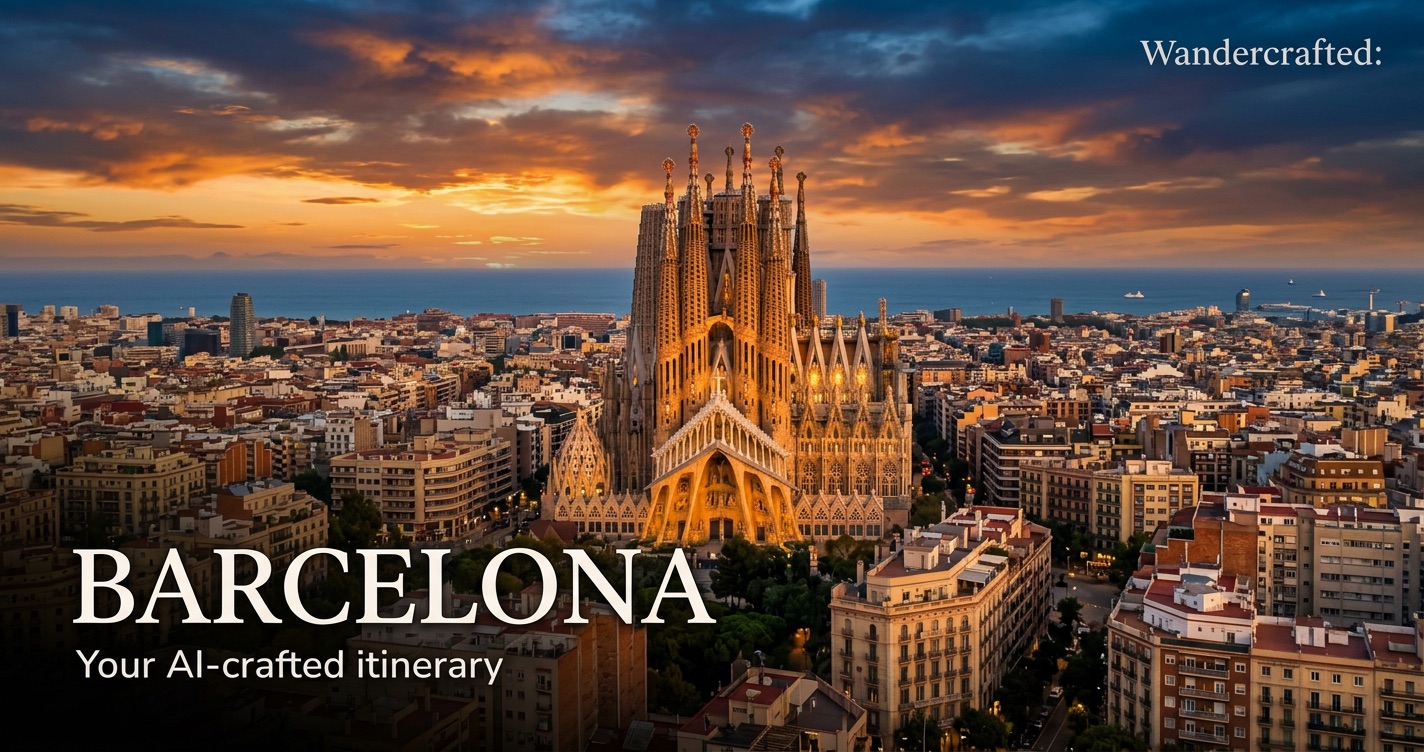
Sagrada Família is the must-see. It's Barcelona's defining landmark—a basilica that's been under construction since 1883, still unfinished, and unlike anything on Earth. Gaudí took over in 1914 and imprinted his organic, nature-inspired vision. The interior is a forest of columns designed to mimic trees; light pours through stained glass creating underwater-cathedral atmosphere. It's spiritual, awe-inspiring, and legitimately life-changing.
CRITICAL: Book tickets in advance online (sagradafamilia.org). Entry costs €29-34 (with audio guide). Book early morning slots (8-9 AM) to beat crowds—2-3 hour queues form by 10 AM, especially March-October. Timed tickets guarantee entry within your hour window. Audio guide is essential (included)—it explains the symbolism of each facade and architectural innovation. Spend 1.5-2 hours inside. Climb the towers (extra €5) if you're fit; 400+ stairs but views are unreal.
Late Morning: Passeig de Gràcia & Casa Batlló
Walk down Passeig de Gràcia, Barcelona's grand tree-lined avenue (metro to Passeig de Gràcia station, 15 min from Sagrada Família). This is luxury-brand heaven—Louis Vuitton, Apple, Cartier—but also where Gaudí designed residential buildings that look alien in their beauty. Stop at Casa Batlló (€24-29), another Gaudí masterpiece. It's a residential apartment building that looks like a wave, a dragon, or an underwater creature depending on your interpretation. Tour the interior (€24)—apartments with curved walls, organic forms, iridescent tiles, skylights. It feels like living inside a seashell. The rooftop is spectacular. Allow 1-1.5 hours. Or view it from the street (free) and move on if budget is tight.
Lunch: Passeig de Gràcia Restaurants
Lunch near Passeig de Gràcia is pricey but Barcelona has excellent menu del día (set lunch menus €12-18, usually 2-3 courses). Look for restaurants with "Menu del día" signs. Otherwise, casual tapas spot or sandwich. Don't do sit-down fancy lunch today—save energy and budget for Park Güell and evening.
Afternoon: Park Güell
Park Güell is essential. It's a whimsical hillside garden designed by Gaudí, full of colourful mosaic tiles, organic architecture, and views over Barcelona to the sea. The park feels like a fairy tale—surreal, joyful, playful. Book tickets online in advance (€14, timed entry). Take the metro (L3 to Lesseps, then walk 15 min uphill, OR L3 to Fontana, then bus 24). Arrive mid-afternoon to avoid peak crowds. Spend 1.5-2 hours wandering the park, sitting on the famous undulating mosaic bench, taking in views, photographing the gatehouses and dragon sculptures. The park is huge; you can easily get lost (in a good way). No shops inside; bring water.
The most iconic spot is the plaza with the sinuous bench overlooking Barcelona. Arrive around 4-5 PM for golden light and fewer crowds than morning.
Evening: Return to Eixample, Dinner with Wine
Return to Eixample neighbourhood (near Passeig de Gràcia or Universitat metro). Find a restaurant (not a crowded tapas bar) for a proper dinner. Barcelona has excellent mid-range spots (€20-35 per person). Look for seafood (gambas al ajillo, grilled fish), Catalan specialties (escalivada, pan con tomate), or rice dishes. Pair with local wine (Spanish Riojas, Catalan DO Penedès). La Casa de las Tapas, Caelis, or any neighbourhood restaurant recommended by locals beats tourist traps.
Budget breakdown: Sagrada Família €32, Park Güell €14, lunch menu del día €15, dinner €30. Total: €91 (or €70 if you skip Casa Batlló interior, viewing from street is free).
Insider tip: If Gaudí overload hits, skip Casa Batlló (it's redundant after Sagrada Família and Park Güell) and use the time to rest, shop, or explore a neighbourhood like Gràcia or Sant Antoni Market.
Day 3: Beaches, Montjuïc & Flamenco
Beach, museums on a hill, and flamenco nights
Morning/Afternoon: Barceloneta Beach
Barceloneta Beach is Barcelona's accessible seaside. Take the metro (L4 to Barceloneta). The beach is golden sand, Mediterranean blue water, surprisingly clean. Swim, sunbathe, walk the boardwalk. It's touristy but genuine—locals come here too. Beach bars and restaurants line the sand serving paella, seafood, drinks. Grab lunch at a beach chiringuito (casual beach bar): grilled fish, gambas, cold beer. Expect €15-25. Spend 3-4 hours swimming, relaxing, reading. Beach is free; bring a towel.
Nearby, wander the Gothic Quarter's waterfront or the Montjuïc area starting around 4-5 PM.
Late Afternoon: Montjuïc (Optional)
Montjuïc is a hilltop neighbourhood with museums, gardens, and city views. National Museum of Art (MNAC) (€12) has solid Spanish and Catalan art—if you're art-focused, great; otherwise, skip. Fundació Joan Miró (€15) is excellent if you love Miró. Cable car up to Montjuïc Castle (€11 return) offers views and a hilltop fortress. Magic Fountain of Montjuïc is a musical water fountain (free to watch, happens Thursday-Sunday 8-9 PM in summer, 7-8 PM in winter). It's touristy but fun—crowds, colours, music, local vibe. Arrive early (30 min before) to claim a spot. Or skip it and rest before flamenco.
Evening: Flamenco Show & Dinner
Barcelona's signature final evening is a flamenco show. Flamenco is Andalusian (southern Spanish), not Catalan, but Barcelona has excellent tablaos (flamenco venues). Tablao Flamenco Cordobés (La Rambla, touristy but good quality, €65-75 with drink or dinner) and El Tablao de Carmen (Montjuïc, intimate, €55-70) are reputable. Shows are 1 hour of passionate dancing, hand-clapping, acoustic guitar, stomping rhythms. It's hypnotic. Book in advance online. Shows run 8 PM and 10 PM; 8 PM is touristier, 10 PM more local.
Many tablaos include dinner (paella or tapas). Dinner is mediocre (tourist-targeted), but you get the show. Alternative: Book show-only (cheaper, €45-55), eat dinner separately at a good restaurant in the Gothic Quarter or Eixample beforehand (€25-35), then head to the show. This way you get better food and still experience flamenco.
After the show (9 PM), if you're not exhausted, stroll Gothic Quarter at night—it's atmospheric, quieter, beautifully lit. Grab a nightcap at a bar or call it a night.
Budget breakdown: Barceloneta beach free or €15-25 for lunch, Montjuïc entry €12-15 or free (gardens free), flamenco show + dinner €60-80. Total: €60-80 easily.
Insider tip: Skip Montjuïc museums if you're museum-fatigued. Barceloneta + flamenco is the classic Barcelona finale without overdoing culture.
3-day Barcelona budget breakdown
| Expense | Budget Traveller | Mid-Range | Luxury |
|---|---|---|---|
| Accommodation (3 nights) | Hostels/budget hotels: €60-90 (€20-30/night) | 3-star hotels: €150-240 (€50-80/night) | 4-5 star: €450-750+ (€150-250/night) |
| Meals (3/day, 3 days) | Menu del día, markets, tapas stands: €90-135 (€10-15/day) | Mix restaurants + tapas: €180-270 (€20-30/day) | Fine dining + Michelin: €450-750+ (€50-100+/day) |
| Transport (metro 10-journey pass) | €11 (lasts all 3 days) | €11 (same) | €11 (same) |
| Attractions & museums | Sagrada (€29), Park Güell (€14), free stuff: €43 | Sagrada (€32), Park Güell (€14), Casa Batlló (€24), Montjuïc (€15): €85 | All above + tours, Miró, extra experiences: €150+ |
| Flamenco show | Skip or show-only €45 | Show + dinner €70 | Premium tablao + fine dinner €120+ |
| Total 3 days | €150-210 (€50-70/day) | €300-450 (€100-150/day) | €750-1,500+ (€250-500+/day) |
Budget travellers can spend €50-70/day eating from markets, using free attractions, hostels, and public transport. Mid-range gets you good hotels, restaurant meals, and all major museums (€100-150/day). Luxury is fine dining, 5-star hotels, tours, spa experiences (€250+/day). Barcelona rewards all budgets—food is accessible, museums are affordable, and neighbourhoods are free to explore.
Pro tips for your 3-day Barcelona itinerary
- Book Sagrada Família and Park Güell in advance: These are capacity-limited and queues reach 2-3 hours in peak season. Buy online 2-4 weeks ahead. Timed entry guarantees access.
- Metro 10-journey pass (T-Casual): €11 for 10 journeys valid 2+ people (shareable). Covers airport to city. More economical than individual tickets (€2.45 each). Get at metro stations or airport.
- Pickpockets are real: Avoid displaying phones/wallets on La Rambla, metro, and crowded attractions. Keep valuables in front pockets. Use hotel safes for passports. Barcelona pickpockets are organized; stay street-smart but not paranoid.
- Siesta timing: Many shops close 2-5 PM (siesta). Museums stay open. Plan accordingly. Late evening (8-11 PM) is when Barcelona comes alive—restaurants, bars, energy.
- Vermouth hour (12-2 PM): Locals drink vermouth before lunch (not evening like everywhere else). Join them at a local bar. It's a rite of passage.
- Avoid La Rambla restaurants: Overpriced, mediocre. Eat one street over in Gothic Quarter or Born. Go where locals go—it's cheaper and better.
- Weather in March: 12-16°C (54-61°F), sometimes rainy. Bring a light jacket and umbrella. Beach swimming is cold (13°C water). Summer is 25-28°C and crowded; shoulder seasons (April-May, September-October) are ideal.
- English signage is excellent: Metro, major sites, hotels. You don't need Catalan or Spanish (though basic phrases are appreciated). Google Maps works offline if pre-downloaded.
- Restaurants close 10-11 PM: Have dinner 8-9 PM or book ahead. Late eating (midnight onwards) happens at bars/tapas, not sit-down restaurants.
- Download the TMB app: Barcelona's public transport app. Buy passes, check routes, live updates. Makes navigation seamless.
Ready to customize your Barcelona adventure?
Use Wandercrafted's AI itinerary builder to generate a personalized day-by-day Barcelona plan tailored to your travel style, pace, and budget. Swap activities, find hidden restaurants, adjust pacing—all in real time.
Create my Barcelona itinerary →Frequently asked questions
Is 3 days enough for Barcelona?
Absolutely. Three days is ideal for Barcelona. You'll experience Gaudí's architectural genius (Sagrada Família, Park Güell, Casa Batlló), explore the Gothic Quarter's medieval alleys, enjoy authentic tapas crawls, visit world-class museums, relax on beaches, and catch a flamenco show. It's enough to feel Barcelona's unique culture—the blend of Catalan identity, Mediterranean warmth, modernisme design, and contemporary energy—without feeling rushed or exhausted. Five days allows deeper exploration (Montserrat day trip, neighbourhood deep-dives, more museums), but three days is genuinely satisfying for first-timers.
What budget should I plan for 3 days in Barcelona?
Budget estimates: Budget traveller (hostels, market food, free attractions): €150-210 total (€50-70/day). Mid-range (3-star hotels, restaurant meals, museum entries): €300-450 total (€100-150/day). Luxury (4-5 star hotels, fine dining, premium experiences): €750+ total (€250+/day). A comfortable mid-range experience (good 3-star hotel, proper meals, all museums, flamenco show) typically costs €100-150 per day. Barcelona is affordable compared to Paris or London—metro is €11 for 10 journeys, museum entries are €10-30, and excellent meals range €15-40. Food is accessible at all budgets.
Do I need a car in Barcelona?
No—absolutely don't rent a car. Barcelona is a walking city with excellent metro, buses, and taxis. You can cross the entire central city on foot in 30-40 minutes. The metro is fast, cheap (€11 for 10 journeys), clean, and covers everywhere essential. Taxis/Uber are reliable for late nights. Parking is expensive and street parking is hostile to tourists. Having a car is a liability—public transport is far superior.
Is Barcelona safe for solo travellers?
Barcelona is generally safe, especially in central neighbourhoods (Gothic Quarter, Eixample, Barceloneta, Born). However, pickpocketing is prevalent on La Rambla, metro, and crowded attractions. Use common sense: don't display phones/wallets, use front pockets, keep bags zipped, avoid La Rambla at night. Stay in well-lit areas, travel with others when possible at night. Most travellers visit without incident. Solo women travellers report feeling safe during the day; nightlife is best with friends. Trust your instincts and stay street-smart.
What to experience based on your travel style
Barcelona serves all travel types. Here's how to tailor three days to what moves you:
Final thoughts
Barcelona is intoxicating because it refuses to be pinned down. You can stand inside Sagrada Família feeling spiritually transported, then 30 minutes later be sipping vermouth at a side-street bar watching locals argue about football. You can wander Gothic Quarter's 2,000-year-old streets feeling lost in time, then emerge onto Las Ramblas into 21st-century crowds and energy. You can swim in the Mediterranean at sunset, then dance at a flamenco show until midnight. This itinerary is a framework, not a bible. Skip Park Güell if Gaudí fatigue sets in. Stay an extra day if Barcelona captures you (it often does). Spend more time in Born exploring boutiques. Sit in Barcelona parks for hours if that's your rhythm. Skip the museum, skip the show, embrace the unplanned. Barcelona rewards curiosity and deviation. The best memories come from the cafe where a stranger bought you a drink, the tiny tapas bar you stumbled into, the Gothic Quarter corner where you got delightfully lost. Three days in Barcelona isn't a box to check—it's a love affair waiting to happen.