The short answer
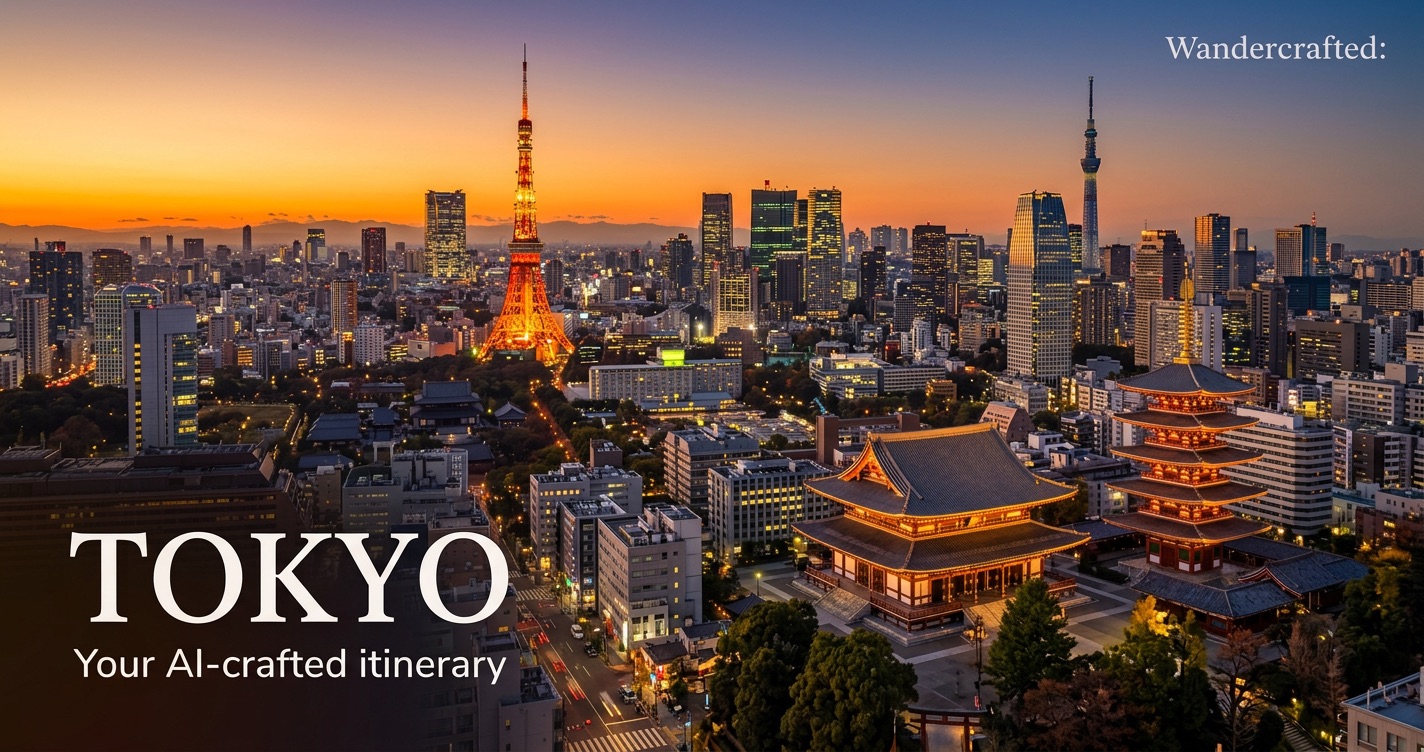
If you have exactly three days in Tokyo, you can see the city's top highlights without rushing. Start with Day 1 in Shibuya and Shinjuku for energy and scale. Move to Day 2 in Asakusa and the East Side for tradition and culture. Finish with Day 3 in Harajuku and local neighborhoods for fashion, food, and authentic Tokyo discovery. This itinerary balances iconic tourist moments with genuine local experiences, delicious food at all price points, and efficient transport.
Three days isn't enough to see everything Tokyo offers — few places require a return visit more than Tokyo does — but this guide maximizes your time without burnout.
How to get around Tokyo
Suica and Pasmo cards
Buy a prepaid Suica or Pasmo card at the airport or any convenience store (7-Eleven, FamilyMart, Lawson). Load it with cash (¥2,000–5,000 / $13–33 USD). Use it on the Tokyo Metro, trains, buses, and even convenience stores. Single journeys cost 170–220 yen. It's the fastest, cheapest way to navigate. Download the Suica or Google Maps app to check fares and routes.
Walking and neighborhood exploration
Tokyo's neighborhoods are compact and walkable. Shibuya, Shinjuku, Asakusa, Harajuku, and Roppongi are best explored on foot. Walking reveals hidden ramen alleys, quiet shrines, tiny shops, and local cafés you'd miss on the subway. Wear comfortable shoes.
Taxis and rideshare
Avoid taxis — they're beautiful but expensive (¥2,000+ / $13+ for short trips). Uber and Grab operate in Tokyo but aren't cheaper than trains. Stick to Suica.
Day 1: Modern Tokyo — Shibuya & Shinjuku
Experience electric Tokyo energy
Morning (7 AM–11 AM): Shibuya Crossing at dawn
Arrive at Shibuya Crossing at 7 AM when locals commute and crowds are lighter (peak chaos happens 8-9 AM). Walk the crossing 3-4 times from different angles. Explore Shibuya 109 mall and side streets for fashion and quirky shops. Grab breakfast at a convenience store or a small café in Udagawa-cho.
Late morning (11 AM–2 PM): Meiji Shrine and Yoyogi Park
Take the metro to Meiji-Jingumae station (5 min from Shibuya). Meiji Shrine is free, peaceful, and surrounded by forest — a stunning contrast to Tokyo's urban energy. Explore the shrine's wooden torii gates and walk through Yoyogi Park (large green space). This takes 90 minutes. Grab lunch at a casual ramen shop or conveyor-belt sushi restaurant near the station (¥800–1,500 / $5–10).
Afternoon (2 PM–5 PM): Harajuku street fashion
Walk from Meiji Shrine toward Harajuku's Takeshita Street. It's crowded and touristy, but worth seeing for 20 minutes. Better: explore Omotesando (the "Champs-Élysées of Tokyo") for high-end shopping and architecture. Browse Crepe shops and vintage stores on side streets. Grab a crepe snack (¥300–800 / $2–5).
Evening (5 PM–11 PM): Shinjuku neon and dinner
Metro to Shinjuku (10 min from Harajuku). Walk through Shinjuku's neon-lit streets, massive billboards, and organized chaos. Visit the free observation deck at Tokyo Metropolitan Government Building (open until 11 PM, no ticket needed) for stunning city views. Explore Omoide Yokocho (Memory Lane) — a narrow alley packed with tiny yakitori (grilled chicken) bars and izakayas. Dinner options: ramen (¥900), yakitori (¥1,500–2,500), or karaage at a hole-in-the-wall joint (¥1,000). Return to your hotel by 11 PM.
Day 2: Traditional Tokyo — Asakusa & East Side
Experience historic Tokyo and neighborhood gems
Morning (8 AM–12 PM): Tsukiji Outer Market and breakfast
Head to Tsukiji Outer Market (Tsukiji Shijo) for the best sushi breakfast in Tokyo. Arrive by 8:30 AM. Pick a small sushi counter and order fresh sashimi bowls or nigiri sushi (¥2,000–3,500 / $13–23). This is a must-do. After breakfast, explore the market's side streets and small shops selling knives, tea, and kitchen tools.
Late morning (12 PM–3 PM): Senso-ji Temple and Asakusa
Metro to Asakusa (20 min from Tsukiji). Senso-ji is Tokyo's oldest temple, stunning and ornate. Arrive by 12:30 PM before crowds peak. Walk through the lantern-topped gate, light incense, and donate coins. Explore Nakamise shopping street (souvenir shops, snacks, toys). Grab lunch at a casual ramen or soba shop near the temple (¥900–1,200). This area feels like old Tokyo — narrow streets, small shops, and fewer international tourists than Shibuya.
Afternoon (3 PM–6 PM): Neighborhood exploration — Kuramae and Ryogoku
Walk south from Asakusa toward Kuramae (20-minute walk or 2-minute train ride). This neighborhood is where locals shop, not tourists. Browse small shops, check out the Edo-Noren shopping complex, and wander residential streets. If interested in sumo wrestling, visit the Ryogoku Sumo Hall (nearby) and explore the stable area where wrestlers train. Grab a snack at a local café or convenience store.
Evening (6 PM–11 PM): Sumida River walk and dinner
Walk along Sumida River (scenic, peaceful, few tourists). As sunset approaches, find a riverside café or casual restaurant. Dinner: conveyor-belt sushi (pick plates you want, charged per plate: ¥100–300 each), okonomiyaki (savory pancake, ¥1,000–1,500), or tonkatsu (breaded pork, ¥1,200–1,800). End the night exploring a quieter neighborhood or returning to your hotel.
Day 3: Modern & Local — Harajuku, Roppongi & Hidden Neighborhoods
Discover local favorites and departure-day highlights
Morning (8 AM–11 AM): Last shopping and local breakfast
Visit a neighborhood you haven't explored yet — consider Shimokitazawa (vintage stores, tiny cafés, theater district), Shinjuku's side streets, or Kichijoji (relaxed, upscale neighborhood). Browse independent shops. Grab coffee and pastry at a local café (¥600–1,200). This feels less touristy than Day 1.
Late morning (11 AM–2 PM): Roppongi Art Triangle (optional) or Ikebukuro
If interested in art: visit Roppongi's museums (Mori Art Museum, National Art Center) — free for some galleries, paid for major exhibitions ($10–15). If museums don't appeal: head to Ikebukuro, a major shopping and entertainment hub with department stores, anime shops (Sunshine City), and local restaurants.
Afternoon (2 PM–5 PM): Convenience store "museum" or free activities
Tokyo's convenience stores (7-Eleven, FamilyMart, Lawson, Ministop) are tourist attractions themselves. Spend time browsing unique snacks, bento boxes, and limited-edition drinks. It's a genuine cultural experience. Alternatively: visit any free neighborhood shrine, walk Yoyogi Park again, or explore a residential district like Daikanyama (hip, tree-lined, café culture).
Evening (5 PM–departure): Final meal and airport transfer
Eat your last Tokyo meal thoughtfully. Popular final meals: ramen (iconic, affordable, satisfying), katsudon (breaded pork over rice, ¥1,000), or high-end sushi if you want to splurge (¥3,000–8,000+). The Narita Express (N'EX) or Keisei Skyliner trains depart from Tokyo Station or major stations every 15-20 minutes to Narita or Haneda Airport (60–90 minutes depending on airport). Book tickets in advance or buy at the station.
Where to eat in Tokyo — Budget breakdown
Budget meals (¥500–1,500 / $3–10 USD)
Ramen shops: iconic bowls of noodles, broth, and toppings. Wait times are common but worth it. Expect 15–45 minutes at popular spots. Cost: ¥800–1,200. Conveyor-belt sushi (kaiten sushi): grab plates you want as they pass. Cost: ¥100–300 per plate (typically 2–3 plates per person = ¥600–900). Tonkatsu (breaded pork cutlet): served with rice, miso soup, and pickles. Cost: ¥1,000–1,500. Okonomiyaki (savory pancake): cooked in front of you, highly customizable. Cost: ¥1,000–1,500. Convenience store meals: onigiri (rice balls), bento boxes, salads, hot snacks. Cost: ¥500–1,000. Authentic, cheap, and genuinely good.
Mid-range meals (¥2,000–4,000 / $13–27 USD)
Sushi restaurants (counter seating): fresh, high-quality sushi in casual settings. Tsukiji Outer Market offers some of Tokyo's best. Cost: ¥2,500–4,000. Tempura restaurants: light, crispy, high-quality. Often counter-style. Cost: ¥2,000–3,500. Izakayas (casual bars): sake, beer, skewers, grilled items, appetizers. Go in the evening. Cost: ¥2,500–4,000 for drinks and food. Kaiseki (multi-course fine dining): expensive, but sometimes lunchtime sets are cheaper. Cost: ¥3,000–5,000.
Splurge meals (¥5,000+ / $33+ USD)
Michelin-starred restaurants: Tokyo has the most Michelin stars of any city. Many lunch sets are cheaper than dinner (¥3,000–6,000 lunch vs. ¥8,000–15,000+ dinner). High-end sushi omakase: ¥8,000–20,000+ per person. Robata-yaki (grilled skewers, often expensive): ¥5,000–12,000.
Must-try Tokyo foods
Monjayaki (similar to okonomiyaki, more liquid): cooked at your table. Cost: ¥1,200–1,800. Unagi (eel): grilled, glazed, served over rice. Cost: ¥1,500–3,000. Sukiyaki or shabu-shabu (hot pot): thinly sliced beef or vegetables you cook in broth. Cost: ¥2,500–5,000. Yakitori (grilled chicken skewers): cheap, cheerful, social. Cost: ¥150–400 per skewer. Matcha desserts and drinks: iconic Japanese flavor. Cost: ¥800–1,500.
Budget breakdown: 3 days in Tokyo
| Category | Budget Option | Mid-Range | Splurge |
|---|---|---|---|
| Accommodation | ¥3,500–5,000 ($23–33) | ¥8,000–12,000 ($53–80) | ¥15,000+ ($100+) |
| Meals/day | ¥2,500–3,500 ($17–23) | ¥5,000–7,000 ($33–47) | ¥10,000+ ($67+) |
| Transport (3 days) | ¥2,000–3,000 ($13–20) | ¥2,000–3,000 ($13–20) | ¥2,000–3,000 ($13–20) |
| Attractions | Free–¥1,000 ($0–7) | ¥2,000–4,000 ($13–27) | ¥4,000+ ($27+) |
| Total per person (3 nights): Budget ¥27,500–33,500 ($183–223) | Mid-range ¥45,000–60,000 ($300–400) | Splurge ¥50,000+ ($333+) | |||
Ready to plan your Tokyo trip?
Use Wandercrafted's AI planner to create a personalized day-by-day itinerary based on your travel style, interests, and budget. Build it in under 5 minutes.
Plan my Tokyo trip →Frequently asked questions
Is 3 days enough for Tokyo?
Yes, 3 days is enough to experience Tokyo's highlights as a first-timer. You can visit major neighborhoods like Shibuya, Shinjuku, Asakusa, and Harajuku, eat at iconic restaurants, and get a genuine feel for the city's energy. However, Tokyo is vast — 3 days is a great introduction, but you'll want to return to explore deeper, visit museums, day-trip to Mount Fuji, or spend time in less-touristy neighborhoods.
How much does 3 days in Tokyo cost?
A budget-conscious 3-day Tokyo trip (accommodation, food, and attractions) typically costs $150–250 USD per person. Budget options: hostels ($30–50/night), convenience store meals ($5–10), and free attractions (Meiji Shrine, Yoyogi Park, Shibuya Crossing). Mid-range: hotels ($80–120/night), casual restaurants ($12–25), and paid attractions ($10–20 each). Splurge travellers should budget $300+ per day.
What's the best way to get around Tokyo in 3 days?
Buy a prepaid Suica or Pasmo card (available at convenience stores) for seamless subway and train travel. The Tokyo Metro is the fastest and cheapest option — most trips cost 170–220 yen ($1.20–1.50). Avoid taxis (very expensive, ¥2,000+ for short trips). Walking is ideal for exploring neighborhoods. Download Google Maps (or the Suica app) to navigate like a local. Trains run from 5 AM to midnight; late-night buses operate after that.
What should I eat in Tokyo?
Tokyo's food is world-class and affordable. Must-try: ramen (expect 15–45 minute waits at popular spots), sushi at Tsukiji Outer Market, tempura, tonkatsu (breaded pork cutlet), okonomiyaki (savory pancakes), and karaage (fried chicken). Convenience stores have excellent onigiri and bento boxes. Eating at restaurant counters is cheaper and faster than tables. Conveyor-belt sushi restaurants charge 100–500 yen per plate. Tokyo has the most Michelin-starred restaurants of any city; lunch sets are often cheaper than dinner.
Where should I stay in Tokyo?
Best neighborhoods for first-timers: Shibuya (energetic, central, lots of restaurants), Shinjuku (busy, nightlife, good transport), Asakusa (traditional, quieter, cultural), or Harajuku (fashion-forward, walkable). Budget: Hostels in Asakusa or Ikebukuro. Mid-range: Hotel chains in Shibuya or Shinjuku. Splurge: Luxury hotels near Roppongi or Ginza. Book 1–2 months ahead for better prices.