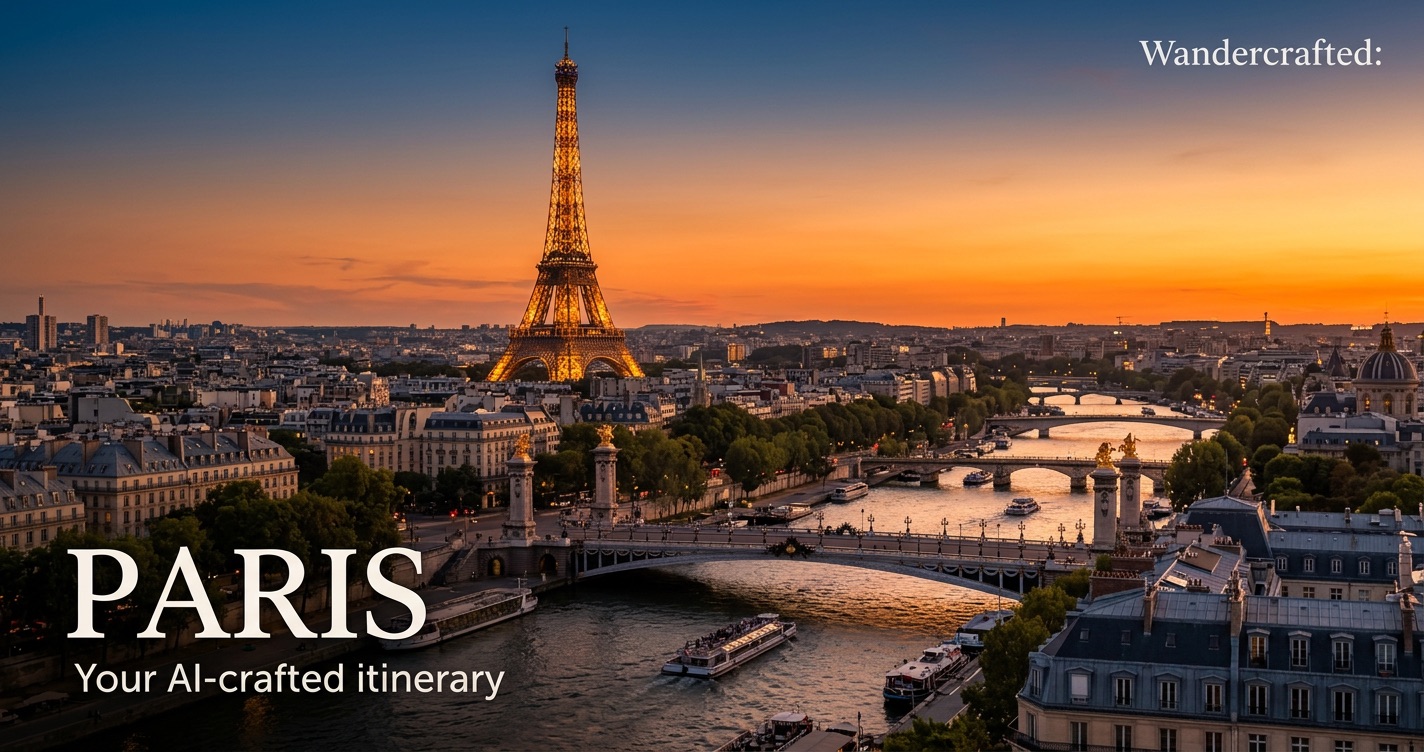
The short answer
Three days in Paris is tight but doable for first-timers. Start with Day 1 around the Eiffel Tower and Champs-Élysées for iconic moments. Spend Day 2 in Montmartre and the Marais for village vibes and museums. Finish with Day 3 exploring the Latin Quarter or taking a day trip to Versailles. This itinerary balances Instagram-famous landmarks with authentic Paris: historic cafés, neighborhood walks, street art, and food that tastes like the city tastes. Skip the Louvre line; save that for next time.
Paris rewards lingering more than rushing. Sit at outdoor cafés. Get lost in side streets. Let the city's rhythm guide you — that's when the real magic happens.
How to navigate Paris like a local
Metro and transport
Buy a carnet (10-ticket pack, €17) or a Paris Visite pass (1–5 days, €8–55) at any Metro station. The RATP Metro is fast, clean, and cheap — most trips cost €2.15. Download Citymapper or Google Maps (download offline maps beforehand) to navigate. Avoid taxis; they're expensive and slow in traffic. Buses are good if you like seeing neighborhoods above ground. Vélib bikes work for confident riders. The Seine is walkable via bridges — crossing the Pont des Arts at sunset beats any tourist boat.
Walking as transport
Paris is compact and eminently walkable. The right bank (north of the Seine) is busier and more commercial. The left bank (south) is quieter, more bohemian. Neighborhoods reveal secrets at street level: hidden courtyards (passages), tiny patisseries, vintage shops, and locals at corner bistros. Walk in comfortable shoes. Wear layers — Paris weather is unpredictable.
Skip lines, save time
Don't buy Louvre tickets in advance — the line is unavoidable. Instead: visit smaller museums (Musée de Montmartre, Carnavalet) or skip museums entirely. The Eiffel Tower exterior from Trocadéro is free and better than waiting 2 hours. Sainte-Chapelle's interior is more stunning than Notre-Dame (and less crowded).
Day 1: Iconic Paris — Eiffel Tower, Trocadéro & Champs-Élysées
Experience the Paris of postcards
Morning (8 AM–12 PM): Trocadéro and Eiffel Tower
Arrive at Trocadéro by 8 AM (Metro: Bir-Hakeim or Trocadéro). The view of the Eiffel Tower from here is iconic and free. Photograph from multiple angles. The tower looks different in morning light. Walk down to the base if you want, but skip the queues to go inside. Instead, grab coffee at a Trocadéro café and people-watch. The surrounding gardens are perfect for lingering. Breakfast: a croissant and espresso (€3–5 at any café).
Late morning (12 PM–3 PM): Seine riverbank and Pont de l'Alma
Walk along the Seine's left bank toward Pont de l'Alma. Browse bouquiniste (riverside book) stalls. Stop at a café for lunch: croque-monsieur (grilled ham and cheese, €8–12), salade Niçoise (€10–14), or just a baguette and cheese (€5). The pace is slow. Let it be. Parisians eat lunch slowly. So should you.
Afternoon (3 PM–6 PM): Champs-Élysées and Arc de Triomphe
Metro to Champs-Élysées-Clemenceau. Walk the avenue from bottom to top (toward Arc de Triomphe). It's touristy and crowded, but worth experiencing. Browse shops on side streets (Rue de Ponthieu, Rue du Colisée) for less touristy finds. Climb to the Arc de Triomphe's top for 360-degree Paris views (€13, or skip the line with a timed ticket). The streets radiating from Arc de Triomphe are gorgeous for walking. Grab an afternoon snack: a macaron from Pierre Hermé or Ladurée (€2.50 each).
Evening (6 PM–11 PM): Dinner and nighttime wandering
Head to the 7th or 8th arrondissement for dinner. Bistros: L'Ami Jean (cozy, classic, €18–25 mains), Le Petit Pontoise (traditional French, €20–28), or grab steak frites at any corner bistro (€15–25). After dinner, walk back along the Seine. The Eiffel Tower glitters at night (every hour on the hour). Admire it from the Pont des Arts or Pont de Bir-Hakeim. End at a small wine bar for a glass of Bordeaux (€5–8 per glass).
Day 2: Artistic Paris — Montmartre, Sacré-Cœur & Le Marais
Experience bohemian Paris and hidden museums
Morning (8 AM–12 PM): Montmartre and Sacré-Cœur
Metro to Abbesses (Montmartre's heart). Avoid arriving late; crowds peak 11 AM–3 PM. Explore the neighborhood's narrow streets, vintage shops, and tiny cafés. Stop at Café des Deux Moulins (where Amélie was filmed) for breakfast (€3–6). Walk to Sacré-Cœur Basilica (white dome, visible from everywhere). The exterior is grand; inside is peaceful. Entry is free. The city views from the steps are stunning. Breakfast pastry: pain au chocolat or croissant au amande (€2–3 at any boulangerie).
Late morning (12 PM–3 PM): Hidden Montmartre streets
Skip Place du Tertre (touristy, overpriced). Instead, wander Rue Lepic, Rue des Trois Frères, and Rue Muller. Browse independent boutiques, vintage stores, and art galleries. Lunch at a quiet bistro: eggs, cheese, simple wine (€12–18). Visit Musée de Montmartre (€10, small and delightful) or just walk through residential Montmartre. The neighborhood feels like a village nestled in a city.
Afternoon (3 PM–6 PM): Le Marais district
Metro to Saint-Paul (Le Marais). This neighborhood is hip, walkable, and full of galleries, vintage shops, and cafés. Explore Place des Vosges (gorgeous arcaded square) and surrounding streets. Browse the Jewish Quarter (Rue des Rosiers) for falafel (€6–8) and pastries. Pop into small museums: Musée Carnavalet (history of Paris, free), Musée d'Art Moderne (modern art, €10). Grab coffee and a macaroon at one of the many contemporary cafés.
Evening (6 PM–11 PM): Marais dinner and nightlife
Le Marais has excellent restaurants at all price points. Splurge: L'As du Fallafel (legendary falafel, €8–12), or a Michelin-starred spot if you've booked ahead. Mid-range: any bistro on Rue des Vosges perimeter (€18–28 mains). Casual: street falafel or pizza. After dinner, the neighborhood has late-night bars, wine shops, and galleries. Walk along the Seine heading toward Notre-Dame (beautiful at night, though the cathedral is currently under renovation). End at a wine bar with locals.
Day 3: Choice — Versailles OR Latin Quarter & Museums
Your final Paris experience — choose your adventure
Option A: Versailles day trip
Take the RER C train from Invalides or Champ de Mars stations directly to Versailles Château (30 minutes, €4 round-trip). Arrive by 9 AM to beat crowds. Buy tickets online (€20–30) to skip lines. The Palace is overwhelming; don't rush. Pick one section: the Hall of Mirrors or apartments. Spend 2–3 hours inside. Explore the gardens for free (bring a picnic). The Grand Canal and Petit Trianon are magnificent. Grab lunch at a café near the palace (€10–18). Return to Paris by 6 PM.
Option B: Latin Quarter, museums & Sainte-Chapelle
Metro to Quartier Latin. Start at Sainte-Chapelle (stunning stained glass, €11). The interior is jaw-dropping — book entry at a specific time to skip lines. Walk toward Notre-Dame area (cathedral is under renovation but exterior is worth seeing). Explore the narrow streets around Rue de la Bûcherie. Browse Shakespeare and Company bookstore (touristy but magical, €0). Lunch at a student bistro: croque-madame, soup, wine (€10–15). Afternoon: Musée de Cluny (medieval Paris, €9) or Musée d'Orsay (Impressionism, €16, book online). Museums close at 6 PM on most days.
Both options: Evening finale
Return to Paris central. Dinner at your favorite neighborhood: Montmartre, Marais, or Left Bank. Grab a bottle of wine and cheese from a corner shop (€10 total) and eat by the Seine at sunset. Walk along Île Saint-Louis for magical views. End at a jazz bar (Le Caveau de la Huchette) or simply walk through glowing, romantic Paris streets. Paris at night is peak romance.
Where to eat in Paris — Budget breakdown
Budget meals (€7–15)
Boulangeries (bakeries): croissant (€1.50), pain au chocolat (€2), baguette and cheese (€3–5). Croque-monsieur (grilled ham and cheese sandwich, €8–12). Falafel from Rue des Rosiers (€8–12). Crêpes (sweet or savory, €5–9). Bistro lunch (plat du jour / plate of the day, €10–15, often exceptional value). Café (coffee and pastry, €3–6). Soups and quiches from corner shops (€4–8).
Mid-range meals (€16–30)
Bistro dinner: steak frites, duck confit, or fish (€16–28). Brasserie lunch or dinner (€18–32). Crêperie dinner (€12–22). Wine bar platters (€15–25). Small neighborhood restaurants (€18–30). Salad and main at a café (€14–22). Most neighborhoods have excellent bistros in this range.
Splurge meals (€35+)
Michelin-starred restaurants (€50–150+ per person). High-end bistros (€35–55). Fine dining with wine pairings (€80–200+). Rooftop restaurant views (€40–100). Booking platforms: LaFourchette, TheFork for discounted reservations.
Parisian food culture
Breakfast is small: coffee, croissant, done (€3–6). Lunch is the main meal (noon–2 PM). Dinner is lighter (7 PM–10 PM). Aperitif culture is real: order a kir (white wine and blackcurrant, €5–8) and settle in for an hour of conversation. Wine is cheaper than water at restaurants (€5–12 per glass). Cheese and charcuterie are art forms; buy from a local fromagerie or charcuterie (€2–5 per item). Markets (Rue Cler, Marché des Enfants Rouges) have fresh produce, prepared foods, and great prices.
Budget breakdown: 3 days in Paris
| Category | Budget Option | Mid-Range | Splurge |
|---|---|---|---|
| Accommodation | €30–50/night | €80–120/night | €180+/night |
| Meals/day | €18–25 | €35–50 | €80+ |
| Transport (3 days) | €17 (carnet) | €17–25 | €25–35 |
| Attractions | €0–15 | €30–50 | €60+ |
| Total per person (3 nights): Budget €180–260 | Mid-range €330–480 | Splurge €650+ | |||
Ready to plan your Paris trip?
Use Wandercrafted's AI planner to build a custom itinerary based on your style, pace, and interests. Generate it in under 5 minutes and start dreaming.
Plan my Paris trip →Frequently asked questions
Is 3 days enough for Paris?
Yes, 3 days is enough to experience Paris's iconic highlights as a first-timer. You can see the Eiffel Tower, climb to Sacré-Cœur, explore the Louvre area, wander Montmartre's streets, and enjoy legendary bistros. However, Paris rewards longer stays — skip fast attractions and linger in cafés, parks, and hidden courtyards. Three days captures Paris's essence but leaves you wanting more.
How much does 3 days in Paris cost?
A budget-conscious 3-day Paris trip typically costs €180–300 ($195–325 USD) per person. Budget options: hostels (€30–50/night), café breakfast and bistro lunch (€10–18), and many free attractions (Eiffel Tower exterior, park walks, window shopping). Mid-range: hotels (€80–120/night), casual restaurants (€15–25), museum entry (€8–15). Splurge travelers should budget €100+ per day. Skip the Eiffel Tower line; enjoy views from Trocadéro instead (free).
How do I navigate Paris? Metro tips?
Buy a carnet (10-ticket pack, €17) or Paris Visite pass (1–5 days, €8–55) at any Metro station. The Metro is fast, clean, and efficient — most trips cost €2.15 per ticket. Walk whenever possible; Paris reveals magic at street level. Install Citymapper or Google Maps (offline mode) to navigate. Avoid taxis (expensive and slow in traffic). Bikes (Vélib) work well for experienced riders. The Seine is navigable by tourist boats, but walking bridges is often better and free.
What's the best area to stay in Paris?
For first-timers: Marais (hip, walkable, museums, great cafés), Montmartre (artsy, village-feel, close to Sacré-Cœur), or Left Bank (Latin Quarter, student vibe, close to Notre-Dame and Sorbonne). Budget: stay in Belleville or Northeast (trendy, cheaper). Mid-range: Marais or Montmartre neighborhoods. Splurge: 7th or 8th arrondissement (near Eiffel Tower, upscale). Book 2–3 weeks ahead for better rates.
Should I visit the Louvre?
The Louvre is famous but crowded and expensive. Lines are 1–3 hours even with advance tickets. Unless you're an art enthusiast, skip it. Instead: visit Musée d'Orsay (Impressionism, more intimate), Musée de Montmartre (neighborhood focus), Musée Carnavalet (free, history of Paris), or smaller galleries in Marais. Or skip museums entirely and spend time walking, eating, and sitting in cafés. That's the real Paris.